
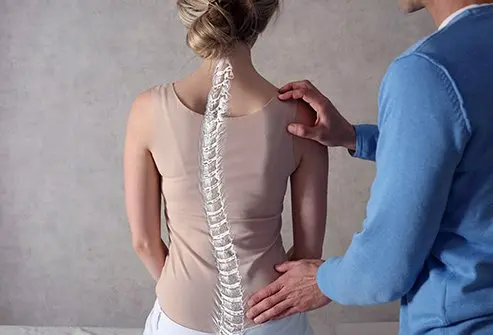
Kyphosis In Nagpur | Evaluation And Treatment For Abnormal Spinal Curvature With Dr.Ritesh Nawkhare
Kyphosis In Nagpur refers to the evaluation and treatment of an excessive forward curve of the spine, usually affecting the upper back. A mild curve may cause little or no discomfort, while a more pronounced curvature can lead to back pain, stiffness, posture changes, and difficulty with certain movements. The condition can develop due to spinal changes, vertebral fractures, disc degeneration, or conditions that affect spinal development. At Neurosys Multispeciality Centre In Nagpur, patients with suspected kyphosis can undergo a detailed assessment to understand the cause and severity of the spinal curvature. Doctors may evaluate posture, spinal movement, muscle strength, reflexes, and other neurological functions. Imaging such as X-rays, CT scans, or MRI may be recommended when further assessment is needed. Treatment depends on the individual condition. Some patients may benefit from exercises, physiotherapy, medicines, or other non-surgical care. More severe cases may require specialist surgical evaluation, particularly when the curvature causes significant symptoms or affects the spinal nerves or cord.
Common Signs Of Kyphosis In Nagpur
Kyphosis can develop gradually. Early changes may not always seem obvious. Some people notice a rounded upper back. Others seek medical attention because of ongoing discomfort or restricted movement.
Possible symptoms include:
▪ Increased forward rounding of the upper back.
▪ Back pain or stiffness.
▪ Changes in posture.
▪ Reduced spinal flexibility.
▪ Difficulty standing upright comfortably.
▪ Muscle fatigue during prolonged standing or activity.
▪ Numbness, weakness, or other neurological symptoms in advanced cases.
What Causes Kyphosis?
Several factors can cause an excessive spinal curve. The underlying cause can vary with age. Overall spinal health can also influence the condition.
▪ Vertebral compression fractures.
▪ Osteoporosis and weakened spinal bones.
▪ Age-related disc degeneration.
▪ Scheuermann’s kyphosis.
▪ Abnormal spinal development.
▪ Previous spinal surgery or injury.
▪ Certain medical conditions that affect the spine.
Identifying the underlying cause is important. Treatment should address the cause and the spinal curve. It should also consider your symptoms and overall spinal health.
How Is Kyphosis Diagnosed?
Doctors begin with a physical examination. They also review your symptoms and medical history. The doctor may check your posture and spinal movement. They may also assess muscle strength, reflexes, and sensation. Imaging tests can provide a clearer view of the spinal curve and vertebrae. The doctor may recommend:
▪ X-rays to measure the spinal curve and identify vertebral changes.
▪ CT scans to examine the spinal bones in greater detail.
▪ MRI scans to assess the spinal cord, nerves, discs, and soft tissues.
▪ Nerve tests when numbness or weakness suggests nerve involvement.
▪ Bone density testing when weak bones or compression fractures are suspected.
The doctor selects tests based on your symptoms and examination findings. These results help identify the cause and severity of kyphosis. They also help guide the most suitable treatment approach.
Treatment For Kyphosis In Nagpur
Treatment depends on the cause and severity of kyphosis. Doctors also consider your symptoms, age, and overall health. Not every patient needs surgery.
Treatment may include:
▪ Medicines to manage pain when appropriate.
▪ Physiotherapy to improve flexibility, strength, and movement.
▪ Specific exercises to support spinal function and posture.
▪ Bracing for selected growing children with certain types of kyphosis.
▪ Osteoporosis treatment to reduce the risk of further vertebral fractures.
▪ Surgery for severe or progressive deformity, significant pain, or neurological problems.
Your doctor selects the treatment based on your individual condition. Regular follow-up can help monitor the spinal curve and treatment response.
Why Early Evaluation Matters ?
A noticeable change in your upper back should not always be treated as a posture issue. A medical assessment can help identify the underlying cause. It may relate to spinal degeneration, a vertebral fracture, developmental changes, or another spinal condition. Early evaluation helps doctors monitor the spinal curve. It also allows them to address symptoms before they affect movement and daily activities. Neurological symptoms need particular attention. Numbness, weakness, balance problems, or changes in walking may indicate nerve or spinal cord involvement.
Timely assessment can help guide appropriate treatment. It can also help doctors decide whether monitoring, physiotherapy, medicines, bracing, or further treatment may be suitable.
When Does A Spinal Curve Become A Concern?
A rounded upper back does not always mean you have a serious spinal problem. However, a noticeable or worsening curve needs medical attention. This becomes more important when pain or movement problems occur.
You may need an evaluation if you notice:
▪ A gradually increasing forward curve of the upper back.
▪ Persistent pain between the shoulders or along the spine.
▪ Stiffness that limits normal movement.
▪ Difficulty standing upright for long periods.
▪ Reduced spinal flexibility.
▪ Increasing fatigue during daily activities.
▪ Pain that affects sleep, work, or exercise.
▪ Numbness, weakness, or other neurological symptoms.
A specialist can assess these changes and identify the possible cause. The evaluation can help determine whether kyphosis or another spinal condition is responsible.
Understanding The Different Causes Of Kyphosis In Nagpur
Kyphosis can develop from different spinal, bone, and postural changes. The underlying cause can vary from person to person.
▪ Poor posture and prolonged slouching can increase the forward curve of the upper back.
▪ Abnormal vertebral growth during adolescence can cause a more noticeable curve.
▪ Age-related changes in the discs and bones can affect spinal alignment.
▪ Compression fractures from weakened spinal bones can increase the spinal curve.
▪ Previous injuries can change the structure or alignment of the spine.
▪ Developmental problems can affect normal spinal growth.
▪ Other spinal conditions can also contribute to kyphosis.
Identifying the underlying cause helps doctors plan suitable treatment. The treatment approach also depends on the severity of the curve, symptoms, age, and overall spinal health.
Treatment Is Based On Your Spinal Condition
No single treatment works for everyone with kyphosis. Doctors assess the cause and severity of the curve. They also consider its progression, your symptoms, age, bone health, and neurological findings.
Treatment may include:
▪ Physiotherapy to improve strength, flexibility, and movement.
▪ Specific exercises based on your spinal needs.
▪ Pain management when symptoms affect daily activities.
▪ Treatment for weak bones when required.
▪ Bracing for selected patients, especially during growth.
▪ Regular monitoring when the curve remains stable and symptoms are mild.
▪ Surgery for selected severe or progressive cases.
Treatment does more than address the appearance of the spine. It aims to improve movement and daily function. It can also help control symptoms and protect neurological structures. Doctors also focus on the underlying cause whenever possible.
When Can Surgery Be Considered?
Most people with kyphosis do not need surgery. Doctors may consider surgery when the curve becomes severe or continues to progress. Significant pain or neurological problems may also require surgical evaluation. Before recommending surgery, the doctor assesses your spinal alignment and reviews relevant imaging. They also consider your general health and previous treatments. These factors help determine whether surgery may be appropriate.When needed, surgery aims to improve spinal alignment and stabilize the affected spinal segments. It may also relieve pressure on the spinal cord or nerves. The overall goal is to support spinal function and long-term recovery.
Why A Personalized Evaluation Matters ?
Two people can have a similar spinal curve but need different treatments. One person may have a flexible postural change. Another may have a structural deformity caused by vertebral changes.
Doctors therefore do not base treatment on the appearance of the curve alone. A detailed assessment helps identify the underlying spinal problem. The doctor may review your symptoms, physical examination, and imaging findings. This information helps the healthcare team understand your condition more clearly. It also helps them choose a treatment approach that matches your spinal health, symptoms, and individual needs.
Benefits Of Kyphosis Evaluation And Treatment
Proper kyphosis management can help address the underlying spinal problem. It can also support better comfort, movement, and daily function.
▪ Identify the cause of the abnormal spinal curve.
▪ Monitor whether the curve remains stable or changes over time.
▪ Identify pain, stiffness, weakness, or movement difficulties.
▪ Protect spinal function through timely and appropriate care.
▪ Improve posture, mobility, and physical comfort when suitable treatment is used.
▪ Choose exercises, rehabilitation, medicines, bracing, or other care based on individual needs.
▪ Reduce the impact of symptoms on daily activities.
▪ Create a clear plan for long-term spine care and follow-up.
The treatment plan depends on the cause, severity, symptoms, and overall spinal health. Regular follow-up can help doctors monitor your progress and adjust care when needed.
Why Choose Neurosys For Kyphosis Care?
Choosing the right spine care team can make the evaluation and treatment process more structured. At Neurosys Multispeciality Centre In Nagpur, the team assesses each patient based on their symptoms, spinal alignment, medical history, and functional needs.
▪ Individualised evaluation based on your condition.
▪ Focus on identifying the underlying cause of kyphosis.
▪ Detailed assessment of pain, posture, movement, and neurological symptoms.
▪ Treatment planning based on the severity and progression of the curve.
▪ Diagnostic and specialist support when further evaluation is needed.
▪ Guidance on non-surgical and surgical treatment options when appropriate.
▪ Regular follow-up to monitor changes and support long-term spinal health.
Under the guidance of Dr. Ritesh Nawkhare, the team focuses on understanding your condition before recommending treatment. This approach helps create a care plan that matches your individual spinal needs.
Frequently Asked Questions - Kyphosis in Nagpur
Kyphosis is an excessive forward curve of the upper spine that can make the back appear rounded.
It may result from poor posture, spinal development problems, ageing, osteoporosis, vertebral fractures, or other spinal conditions.
Common symptoms include a rounded upper back, back pain, stiffness, reduced mobility, and discomfort during prolonged activity.
Yes. Depending on the cause and severity, treatment may include exercises, physiotherapy, medicines, posture correction, or other non-surgical care.
Surgery may be considered when the curve is severe, progressive, causes significant symptoms, or affects spinal function despite appropriate non-surgical treatment.
Doctors may use a physical and neurological examination along with X-rays and, when needed, MRI or CT scans to understand the spinal curve.
Book a Consultation for Kyphosis in Nagpur
If you have noticed an increasing curve in your upper back, persistent pain, stiffness, or difficulty with movement, a specialist evaluation can help identify the cause and severity of the condition.
▪ Discuss your symptoms, posture, pain, and movement concerns during the consultation.
▪ Review previous X-rays, MRI scans, or other medical reports when available.
▪ Assess spinal alignment and neurological function when required.
▪ Understand whether your condition may benefit from exercises, rehabilitation, medicines, observation, or further treatment.
▪ Receive a treatment plan based on your individual spinal condition.
▪ Get guidance on follow-up and long-term spine care.
If you are looking for Kyphosis In Nagpur, book a consultation at Neurosys Multispeciality Centre to discuss your symptoms and understand the next appropriate step.